Sonic Squatters: How TikTok's Viral Loops Are Colonizing Streaming Before Creators Can Claim Their Own Sound
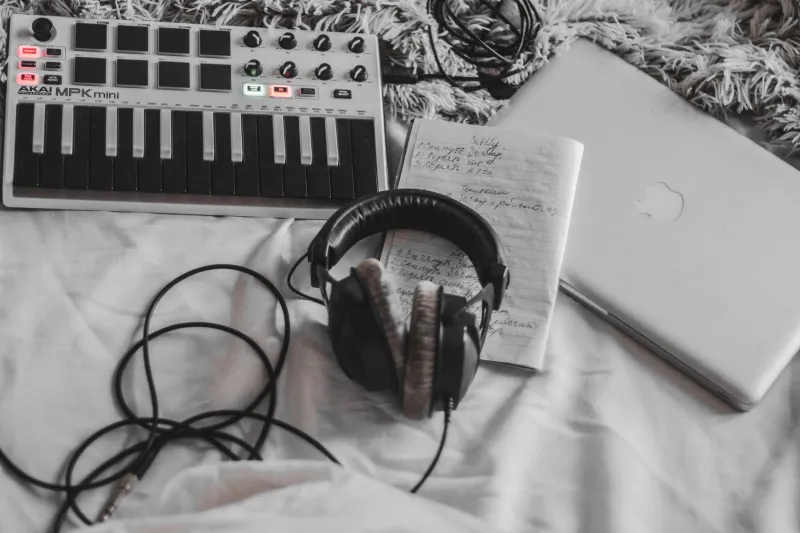
Somewhere in Atlanta, a producer named Marcus — who goes by Slvnt online — spent three weeks building a warped, pitch-shifted vocal chop that felt genuinely new. He dropped it as a beat tape on SoundCloud in late 2023. Six months later, that same sonic fingerprint was sitting underneath a mid-tier pop single that racked up 40 million Spotify streams. He wasn't credited. He wasn't paid. And the sound he invented had already been absorbed so completely into the algorithmic bloodstream that nobody — not the label, not the artist, not the playlist editors — even knew there was an original.
This is what sound colonization looks like in 2025. And it's happening faster than most emerging artists can track.
The Pipeline Nobody Talks About
Here's the mechanics, stripped down. A producer uploads something experimental — a texture, a drum pattern, an unusual sample flip — to TikTok either directly or through a video that uses the audio. If that clip catches traction, TikTok's algorithm begins surfacing the sound to creators in adjacent niches. Within days, dozens of people are making content with it. Within a week, the sound is being replicated by bedroom producers who strip it down, rebuild it slightly differently, and post their own version.
That second wave of content — the derivative stuff — is where things get complicated. Because those replicated sounds often perform better on TikTok than the original. They're optimized. Cleaner. More palatable. And when Spotify's editorial and algorithmic teams are scanning TikTok for trending audio to inform playlist decisions and Discover Weekly inputs, they're not always tracing things back to the source. They're responding to volume. To momentum. To what's already embedded in listener behavior.
By the time a sound crosses from TikTok virality into Spotify algorithmic reinforcement, it's been through at least three or four generational copies. The original creator is a ghost in the machine.
The Cross-Platform Migration Problem
What makes this particularly brutal for emerging artists is how seamlessly the major platforms talk to each other — not through any official integration, but through shared behavioral data and trend-chasing editorial instincts.
When a sound pops on TikTok, YouTube Shorts surfaces similar audio within days. Apple Music's editorial team, which monitors cultural velocity closely, starts programming artists who've adopted the sound into genre-specific playlists. Spotify's algorithmic playlists — Discover Weekly, Radio, Release Radar — begin nudging listeners toward tracks that match the sonic profile. And all of this happens while the originator of that sound is still figuring out whether their initial upload actually went anywhere.
Producer and sound designer Kezia Okafor, who's worked with independent artists across R&B and experimental electronic spaces, described it plainly: "The platforms aren't looking for where something started. They're looking for what's already working. By the time something is 'working,' the original version is buried."
She watched a textured, lo-fi ambient technique she developed get absorbed into mainstream bedroom pop production within a few months of her first public release using it. "I'd see artists on Spotify editorial playlists using a very specific layering approach I'd been experimenting with for two years. And I'm not even on those playlists. The copy of the copy is."
Why Emerging Artists Can't Move Fast Enough
The fundamental problem is asymmetry. Major label artists and established independent acts with teams behind them can respond to a trending sound within 48 hours. They've got producers on call, distribution pipelines already configured, and relationships with playlist editors who'll at least take a listen. An emerging artist working alone — which describes the overwhelming majority of people actually generating new sounds on TikTok — is operating on a completely different timeline.
By the time they've noticed their sound is trending, recorded something new using it, mixed it, mastered it, distributed it, and pitched it to playlists, the cycle has already closed. The algorithm has found its preferred version of the sound. The playlists are set. The moment is gone.
Slvnt put it in terms that stuck with us: "It's like you plant a garden, and by the time you go back to harvest it, someone else's grocery store is already selling the vegetables."
The Template Economy
There's a secondary effect worth naming here, and it's one that's reshaping what gets made in the first place. When producers start to understand that their experimental sounds will get absorbed and replicated before they can capitalize on them, some stop experimenting publicly. They either hold their most innovative work back — releasing safer, more derivative content to maintain streaming presence — or they start reverse-engineering what's already trending instead of pushing forward.
This is the template economy. And TikTok's sound architecture is its engine.
The platform's native sound library, the way sounds get tagged and surfaced, and the creator incentive to replicate what's already working all push toward homogenization. Originators get flattened into the background. The artists who win are the ones who can identify a trending sound early, execute a polished version quickly, and get it into the algorithm before the wave crests.
That's a skill set. But it's not the same skill set as making something genuinely new.
What a Few Producers Are Actually Doing About It
Some artists have started building deliberate friction into their release strategy. Dropping sounds in formats that are harder to strip and replicate — longer compositions, unusual song structures, heavy contextual branding — creates at least a small window before the derivative wave hits.
Others are moving toward community-first rollouts. Releasing new sounds exclusively to Patreon supporters or Discord communities before any public platform upload means there's an established audience who can speak to the origin point. It doesn't stop replication, but it builds a paper trail of cultural ownership.
Okafor has started watermarking her sonic experiments — not technically, but narratively. "I document everything publicly before I release it. I post about the process, the intent, the specific techniques. So when the sound shows up somewhere else six months later, there's a record. It's not legal protection. But it's cultural protection."
It's a workaround. It shouldn't have to be.
The Reveal That Never Comes
The cruelest part of the sound colonization cycle is that it robs emerging artists of their moment of reveal. That first-listen electricity — the thing that makes discovery genuinely exciting — gets diffused across a hundred imitations before the original ever gets its proper introduction.
For platforms like this one, built around the idea that first listens matter, that there's something irreplaceable about hearing something genuinely new before the internet has processed and replicated it into familiarity, the stakes here are real. If the pipeline keeps flattening originators into templates, the well of actual discovery gets shallower every year.
The algorithm doesn't care about that. But listeners — the ones who still get that feeling when they stumble onto something that sounds like nothing they've heard before — they do. The question is whether the infrastructure of streaming will ever be built to protect that feeling, or whether it'll keep optimizing it out of existence.