Playlist Gods: The Indie Curators Who Now Hold More Power Over Your Music Career Than Any Label Executive

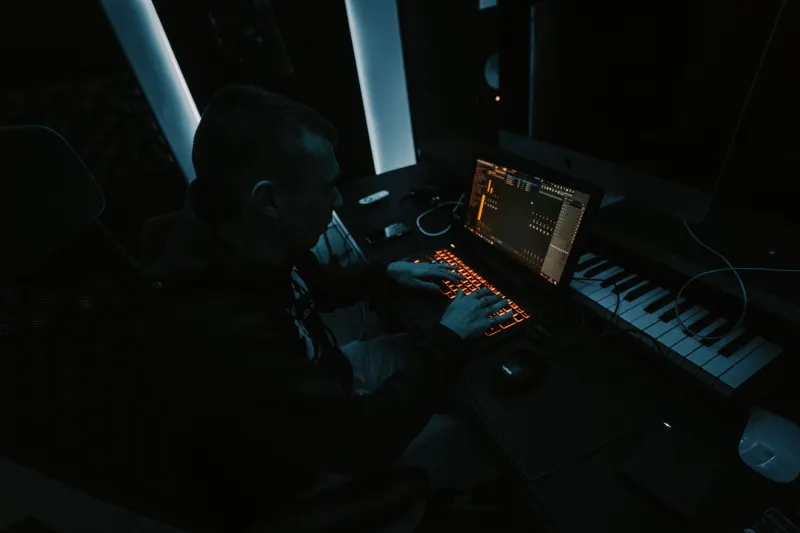
There's a guy in Austin who runs a lo-fi hip-hop playlist from his apartment. No label deal. No industry connections. No business cards. His Spotify playlist has 2.3 million followers, and on any given Tuesday, he decides which emerging artists those listeners are going to hear first. Record labels used to kill for that kind of reach. Now a 26-year-old with good taste and a decent Wi-Fi connection has it — and he's not even the biggest fish in this pond.
The playlist curator economy didn't announce itself. It crept in quietly while everyone was still arguing about whether streaming was going to save or destroy the music industry. Somewhere in that chaos, a new class of tastemaker emerged — independent, algorithm-savvy, and sitting on audiences that major labels would genuinely pay millions to access.
Spoiler: some of them already are.
How We Got Here
Spotify's editorial playlists — your RapCaviar, your New Music Friday — still carry enormous weight. Nobody's disputing that. But editorial placement is a lottery most artists will never win. The Spotify team is curating for tens of millions of listeners simultaneously, and the competition is brutal. What filled the gap was a sprawling underground network of independent curators who built niche audiences around specific sounds, moods, and subcultures.
Think: "late-night bedroom pop for people who cry in parking lots." That's not a joke — that's a real playlist archetype, and it has a fiercely loyal audience. These curators figured out early that hyper-specificity was the move. While major playlists were trying to serve everyone, indie curators were going deep on a particular feeling, and listeners responded by treating those playlists like trusted friends.
That trust is the whole ballgame. When a curator who's never steered you wrong drops a new artist into their rotation, you listen differently than you would to a cold recommendation from an algorithm. You give it a real shot. For emerging artists, that kind of genuine listener attention is almost impossible to manufacture any other way.
The New Pitch Circuit
Ask any independent artist who's navigating the streaming landscape in 2024 and they'll tell you: pitching playlist curators is now a core part of the job. There are entire platforms — SubmitHub, Groover, Musosoup — built around connecting artists directly with curators. Some curators charge a small fee to review submissions. Others keep it free. The economics are messy, and the quality control is all over the place.
But here's what's changed. Five years ago, the standard advice for a new artist was to get your music to a manager, who would get it to an A&R rep, who might eventually get it to someone at a label who could get it onto a playlist. That chain had maybe a 1% success rate and took forever. Now, an artist can upload a track on a Tuesday, find 40 relevant curators on SubmitHub by Wednesday, and have responses — real human responses — by the end of the week. The feedback loop is compressed in ways the traditional industry never allowed.
Some curators are incredibly responsive and genuinely engaged. Others are running what amounts to a pay-to-play scheme with a thin veneer of editorial credibility. Learning to tell the difference is its own skill set that emerging artists are having to develop on the fly.
The Economics Nobody Talks About Openly
Here's where it gets complicated. The biggest independent curators — the ones sitting on playlists with millions of followers — aren't just doing this out of love for the music anymore. There's real money moving through this ecosystem, and it doesn't always flow in clean directions.
Some curators have formalized their operations into legitimate media businesses, selling advertising, licensing their playlists to brands, or consulting for labels looking to understand a specific niche audience. That's above-board and honestly pretty smart. But there's also a shadow economy of paid placements that exists in a gray area Spotify has been trying to crack down on for years. Playlist plugging — paying for guaranteed placement — violates Spotify's terms of service, but enforcement is inconsistent at best, and the practice is more widespread than the platform likes to admit.
For artists, this creates a genuine ethical and strategic dilemma. You're trying to break through. You've got a song you believe in. Someone is offering you a placement that could put it in front of half a million listeners. Do you pay? A lot of artists are paying. And a lot of them are getting burned by curators with inflated follower counts, fake streams, and zero actual listener engagement.
The artists who navigate this well are the ones who've learned to audit a playlist before they spend a dime — checking for engagement rates, listener geography, skip rates where that data is visible, and whether the playlist's followers actually look real.
When It Works, It Really Works
Set aside the shadier corners of the ecosystem and there are genuinely incredible success stories coming out of the independent curator world. Artists who built real fanbases — not streaming numbers, but actual devoted listeners — because the right curator put them in the right context at the right time.
That context piece is underrated. A great playlist isn't just a collection of songs. It's a mood, a world, a specific emotional frequency. When an artist's music lands in a playlist that's perfectly tuned to what they're doing sonically and emotionally, something clicks for the listener. They don't just add the song to their own library — they follow the artist. They show up to the next release. They buy the ticket when the tour comes through.
That conversion from passive listener to active fan is what every artist is ultimately chasing, and the right playlist placement can trigger it in a way that a cold algorithmic recommendation rarely does. The human curation element — the fact that a real person with real taste made a deliberate choice — still carries weight that no recommendation engine has fully replicated.
What This Means for the Industry's Power Structure
Let's be direct about something: the rise of the independent curator is a direct challenge to the traditional label model's monopoly on discovery. Labels used to control access to radio, to retail, to press. Streaming stripped most of that away. What they held onto — for a while — was the ability to get music onto key playlists through relationships and marketing budgets.
That advantage is eroding. The most influential curators in specific genres often have zero allegiance to major labels and actively prefer independent artists because it reinforces their identity as authentic tastemakers. Signing to a major doesn't guarantee you playlist access the way it used to. And conversely, staying independent doesn't lock you out of it the way it once did.
The artists who understand this new landscape are treating curator relationships the same way a previous generation of artists treated radio promo relationships — with patience, genuine connection, and a long game mentality. They're not just pitching. They're engaging with the curator's world, supporting their taste, building actual rapport.
Because at the end of the day, the most powerful curators aren't running spreadsheets. They're running on instinct and passion, same as the artists they're championing. And that's still the most valuable currency in music — somebody who genuinely believes in what you're doing and wants the world to hear it.
The corner office doesn't have that anymore. The Austin apartment might.