Pre-Release Purgatory: The Hype Cycle That's Breaking Artists Before They Even Begin
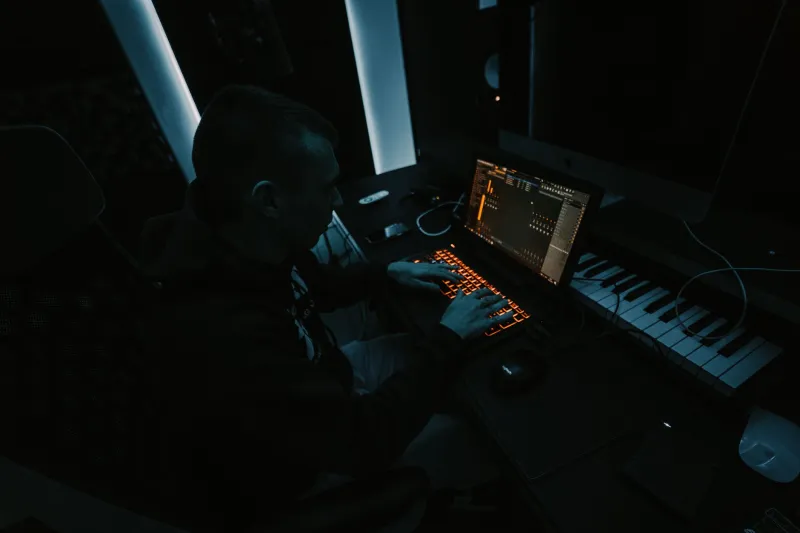
Somewhere between the third teaser clip and the fourteenth countdown story, something snaps.
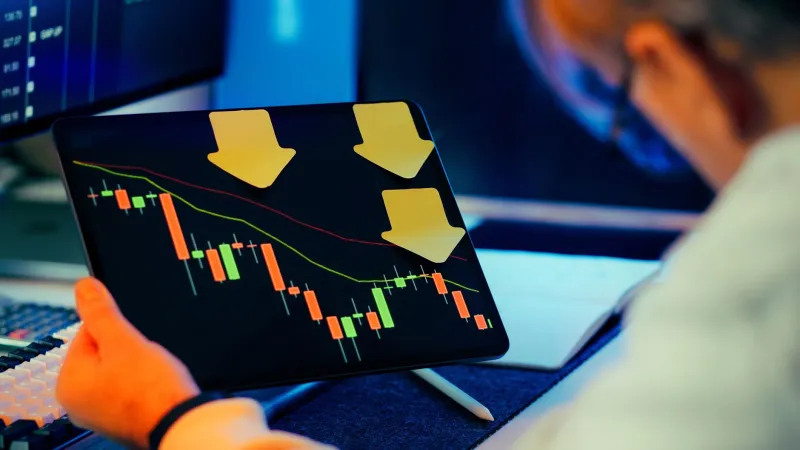
It's not the music. The music is fine — actually, in a lot of cases, the music is great. What breaks is the person behind it. The artist who spent six months crafting something real, only to spend another three months performing the idea of it for an algorithm that may or may not care.
This is pre-release purgatory. And it's quietly swallowing a generation of emerging talent whole.
The Machine Demands a Show Before the Show
The modern release cycle, as it currently exists, asks something genuinely strange of artists: prove the thing is worth listening to before anyone can listen to it. Tease the single. Post the snippet. Go live and react to your own countdown. Build a narrative. Sustain tension. Reward early followers. Punish latecomers with FOMO.
For major label artists with entire marketing departments, this is manageable — annoying, maybe, but manageable. For an independent artist working out of a bedroom in Atlanta or a shared apartment in Chicago, it's a second job stacked on top of an already second job. Except this one has no clear end date and the goalposts move every time the platform updates its algorithm.
"I finished the EP in January," says one emerging R&B artist from Houston who asked to remain anonymous. "By the time it came out in April, I was already over it. I'd talked about it so many times, posted so many clips, done so many 'behind the scenes' videos — I genuinely felt nothing when it dropped. Just relief that it was done."
That emotional flatline at the finish line isn't unusual. It's becoming a pattern.
Anticipation as Attrition
There's a specific kind of fatigue that sets in when you're asked to sustain excitement artificially. Psychologists who study creative burnout point to something called anticipatory exhaustion — the depletion that comes not from doing the work, but from performing enthusiasm about work that hasn't been received yet. You're essentially running on empty optimism, fueled by engagement metrics that may have nothing to do with how the music actually lands.
For artists who've already poured everything into the creative process, the demand to then pivot immediately into marketer mode — and stay there for weeks or months — creates a kind of identity fracture. You made the thing because you needed to make it. Now you're selling the thing, and selling requires a different kind of energy entirely. Sustained, outward-facing, relentlessly positive energy that doesn't always coexist naturally with the introverted, inward-looking process that made the art in the first place.
And the stakes feel enormous even when they're not. A single post that underperforms can send an artist spiraling. A teaser that doesn't hit the expected engagement threshold gets read as a sign the whole project is doomed — before a single person has heard the full thing.
The Comparison Trap
Social media makes all of this worse in a very specific way: it forces artists to watch everyone else's rollout in real time. You're three weeks into your own pre-release grind, already running low, and your timeline is full of other artists whose teasers are popping off, whose snippets are getting stitched and dueted, whose hype feels effortless and organic.
It rarely is. But it looks that way. And that gap between the performance of ease and the reality of exhaustion is where a lot of artists quietly lose the thread.
"You start comparing your behind-the-scenes to everyone else's highlight reel," says a pop producer from Los Angeles who's worked with several independent artists navigating their first major releases. "And the highlight reel always wins. So you push harder, post more, stay up later — and by the time the music actually comes out, you've already convinced yourself it's going to fail."
The Counter-Movement: Drop It and Disappear
Not everyone is playing the game the same way anymore.
A quiet but growing counter-trend has emerged among artists who are done with the slow burn. Surprise releases — zero countdown, zero teaser campaign, zero narrative buildup — have started showing up more frequently, and not just from established names who can afford to skip the machinery.
Emerging artists are increasingly choosing to finish something, post it, and step back. No rollout. No strategy. Just the music, dropped cold into the world.
The results are genuinely mixed, which is maybe the honest thing about them. Some surprise releases land hard because the absence of hype creates its own kind of intrigue — the reveal becomes the event. Others disappear without a trace, precisely because there was no runway to build an audience. The gamble is real.
But for the artists making this choice, the calculus isn't purely strategic. It's survival. "I needed to remember why I make music," one indie folk artist from Nashville explained in a now-viral thread about her decision to drop her latest project with no warning. "The whole campaign thing made me feel like a product. Dropping it quietly made me feel like a person again."
That thread hit a nerve. The replies were full of other artists saying the same thing in different words.
The Cost Nobody Accounts For
Here's what the standard release playbook never factors in: the artist has to live with the music long after the campaign ends. The rollout is finite. The art is permanent. And if an artist burns out during the pre-release cycle, that emotional scar tissue doesn't disappear when the project finally drops — it colors the way they experience the reception, the way they talk about the work in interviews, the way they approach the next thing.
Burnout compounds. An artist who hits the wall before release one is already starting release two from a deficit.
This is the reveal trap in its most damaging form. The machinery designed to maximize a project's chances of breaking through ends up diminishing the artist's capacity to sustain a career. You optimize the launch and hollow out the launcher.
A Different Kind of Reveal
What would it look like to build anticipation in a way that doesn't cost artists their enthusiasm for their own work? Some managers are starting to experiment — shorter runways, less content, more intentional silence. The idea that restraint can generate curiosity rather than kill it.
It's a harder sell to labels and distributors still running off playbooks built for a different era. But the artists who are figuring it out — the ones treating the reveal as a single moment rather than a months-long performance — seem to be arriving at their release dates with something still intact.
Call it energy. Call it belief. Call it the ability to actually feel something when the music finally hits the world.
That shouldn't be a luxury. For too many artists right now, it is.