Swallowed Whole: Why Your Biggest Announcement Got Eaten by the Internet Before Anyone Could Care
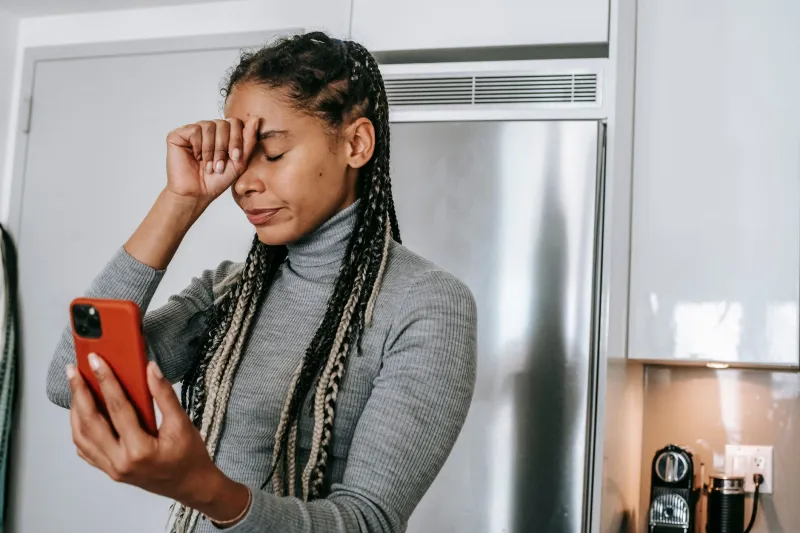
Somewhere out there right now, an artist is sitting with their phone, watching their biggest announcement dissolve into the feed like it never existed. They spent weeks on the rollout. They had the cover art locked, the pre-save link ready, the caption drafted and re-drafted. They hit publish at what felt like exactly the right moment — and then a reality TV star said something unhinged on a podcast, a major label dropped a surprise album, and the whole thing just... evaporated.
Welcome to the reveal graveyard. Population: more artists than anyone wants to count.
The Math Nobody Taught You
Timing an announcement in 2025 is less like planning a party and more like trying to cross a six-lane highway on foot. The variables are brutal. You've got the daily news cycle, trending Twitter (sorry, X) moments, major label release calendars, celebrity gossip spikes, and the general chaos of a platform ecosystem that was never actually designed to give independent artists a fair shot.
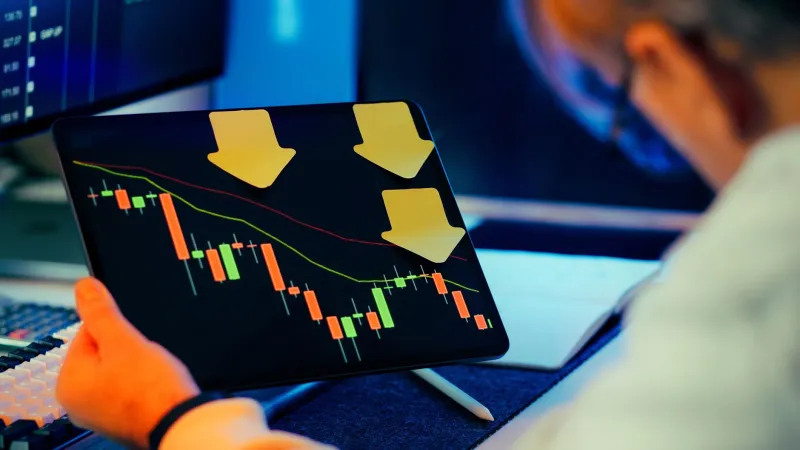
Musicians and their teams have started treating announcement timing like a kind of speculative finance — studying past drops, analyzing what days and hours historically produce the most engagement, trying to find the gaps between the noise. Some artists swear by Tuesday afternoons. Others are convinced Thursday morning is the sweet spot before the Friday release rush. The problem? Everyone else is running the same calculations.
"We'd done everything right," says one independent R&B artist from Atlanta who asked to remain anonymous because she's still in negotiations with a distributor. "The single had been sitting there for three weeks. We waited for what felt like a clean window, dropped the announcement, got maybe four hours of traction — and then some celebrity couple drama exploded and it was just gone. Our whole momentum, gone."
That four-hour window she's describing? It's real. According to social media researchers and marketing analysts who've studied content decay, the average post on Instagram or X has a meaningful engagement lifespan of somewhere between two and six hours. For artists without a major promotional infrastructure behind them, that window isn't just short — it's unforgiving.
When the Big Machine Drops First
There's a specific kind of frustration that comes when a major label artist — one with an entire marketing department, a press team, and algorithmic priority baked into streaming platform relationships — drops a surprise project on the same day you were supposed to have your moment. It's not malicious. It's just the physics of the industry.
But it compounds an already unfair dynamic. Emerging artists are already working with smaller audiences, less algorithmic support, and limited budgets for paid promotion. When a surprise drop from a household name floods every playlist editorial slot and dominates social media conversation, it doesn't just compete with independent announcements — it functionally erases them.
Some managers have started building what they call "shadow calendars" — tracking the release patterns and rumored drop schedules of major artists in adjacent genres so they can steer clear. It sounds obsessive. It kind of is. But given how much work goes into a single announcement cycle, it also makes complete sense.
"You can't just pick a random Friday anymore," says a Brooklyn-based music manager who works with several independent hip-hop acts. "You have to think about who's rumored to be dropping, what's happening in culture that week, whether there's a major sporting event, a political news cycle, anything. It's like trying to find a parking spot in Manhattan. There's technically always one somewhere. You just have to know where to look."
The Golden Window Myth
Here's the uncomfortable truth: there may not actually be a universally "safe" window for reveals. The internet is too fragmented, too reactive, too unpredictable. What worked for one artist in one genre in one quarter of the year won't necessarily work for anyone else.
What does seem to hold up, though, is the idea of relative quiet. Not silence — real silence barely exists online anymore — but moments where the cultural conversation is less dominated by singular events. Mid-week mornings. Periods between award show seasons. The lull after a major news cycle exhausts itself. These aren't golden windows so much as slightly-less-terrible windows.
Some artists have started abandoning the traditional "big announcement" model entirely, opting instead for a slower-burn reveal strategy — teasing elements over days or weeks rather than betting everything on a single post. It's a different kind of momentum, one that's less dependent on catching lightning in a bottle and more about building cumulative attention.
Others are leaning into community-first reveals, dropping announcements first in Discord servers, fan newsletters, or private social spaces where they have a captive, invested audience before pushing anything to the open internet. The logic is sound: if your core audience is already activated before the public announcement lands, you've got a built-in amplification layer that doesn't depend on the algorithm noticing you.
When Getting Buried Becomes the Strategy
There's a small but growing contingent of artists who've started treating burial as a feature rather than a bug. The idea is counterintuitive but weirdly compelling: if your reveal gets swallowed by a news cycle, let it sit. Don't fight the current. Wait for the chaos to die down, then resurface the announcement with fresh framing — "in case you missed it" energy, but executed with intention.
It's essentially a second-drop strategy for your first announcement. And when it works, it actually generates a kind of double-coverage that a clean initial drop wouldn't have produced. The first post might have gotten buried, but the resurrection post can ride the contrast — here's what you missed while everyone was distracted — and that narrative has its own pull.
The risk, of course, is that the second attempt gets eaten too. And the third. At some point the reveal graveyard just has more headstones.
Timing Is Table Stakes. Community Is the Edge.
What separates the artists who break through the noise from the ones who keep getting swallowed by it isn't just better timing. It's depth of connection. The artists who've built real communities — actual people who care, who share without being asked, who show up in the comments before the algorithm does — are the ones whose reveals actually land.
The math of attention is brutal and mostly out of your control. The culture of your fanbase is the one variable you can actually shape. And in an environment where the news cycle will always find a way to eat your moment, having an audience that refuses to let it be forgotten might be the only real insurance any artist has.
The graveyard is crowded. But not every announcement buried there has to stay down.